Berkeley 1941, Dublin 2007. Same rules?
The median Berkeley house went up in 1941 and the median Dublin house in 2007. Sixty-six years apart, inside one service area. One sits inside the sampling window and the other sits outside it, and that decides what happens on day one.
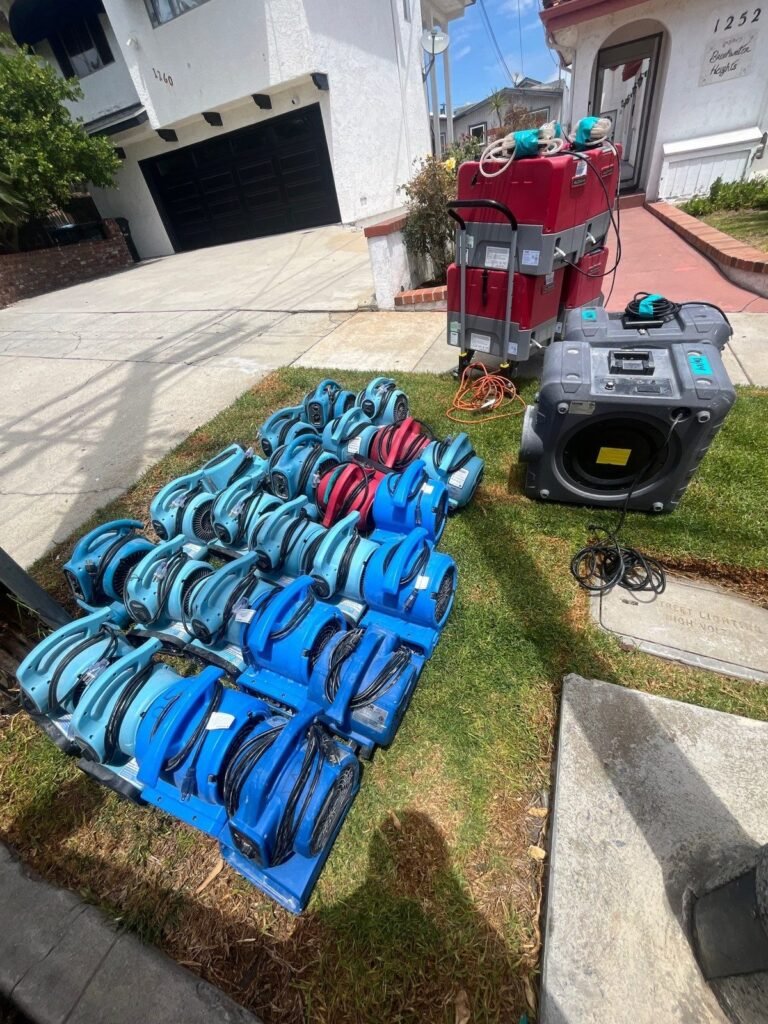
Somebody answers and a van leaves. Looking is on us. CSLB #1131134 · IICRC #70194273
Why does the year decide anything?
Two federal lines, and a house is on one side or the other.
Lead paint in homes stopped being legal in 1978. Asbestos left building materials gradually across the decade after.
A house finished before those dates is presumed to hold both until somebody proves otherwise.
Proving otherwise means a sample and a laboratory, not an opinion in a hallway.
So Berkeley gets sampled?
The median one does, and most of its neighbors too.
Berkeley‘s median house predates both lines by decades.
Oakland’s median is 1952, which is the same answer with a different number.
Opening a wall there without a result first is the exception, not the routine.
What about Dublin?
The median house there is newer than both rules.
Dublin‘s median year is 2007, sixty-six years after Berkeley’s.
Same company, same crew, same week, and a completely different first morning.
That is the widest housing-age spread of the four SOS service areas.
What does a sample actually delay?
The saw, not the drying. Machines run either way.
Extraction and drying start the night it happens, whatever year the house went up.
What waits is the cutting. A material stays in place until somebody knows what it is.
That is why a crew that shows up with a saw and no questions is telling you something.
Which materials get sampled?
The ones this era used, and they are predictable.
- Ceiling texture sprayed or troweled on
- Pipe and duct wrap in a basement or a crawl space
- Vinyl floor tile and the black mastic under it
- Joint compound in the seams of old board
- Painted surfaces in anything finished before the lead line
A pre-war house carries plaster on wood lath rather than board, which behaves differently again.
Plaster stays wet longer than board and gives a meter a strange number.
How small is the paint trigger?
Six square feet in a room, twenty outdoors.
A flood cut passes that in one wall. The rule turns on paid work, not on the owner’s own afternoon.
If somebody is being paid to stand in that room, the rule applies, us included.
Containment goes up on the assumption and comes down on evidence.
Who is allowed to call it clean?
A laboratory. Not a crew, and not this company.
We pick the spot, log the room and the material, and ship the jar.
The percentage on the sheet belongs to whoever read it.
A material nobody sampled has no percentage, and the folder calls it untested.
Does a newer house skip everything?
It skips the presumption. It does not skip the meter.
A 2007 wall still wicks, still hides a wet cavity, still reads dry on the paint.
What changes is that a saw can move on the first afternoon rather than the third.
Which is worth a great deal when the material is already growing something.
What does the first visit cost?
Nothing, in a 1941 house or a 2007 one.
Drying starts at $61 an hour once the crew begins.
Mold work starts at $90 an hour, and the count comes off the meters.
Reading the walls before any of that costs nothing and commits you to nothing.
Age asks more questions than this one, all of them in the guides.
When is a sample money wasted?
On post-1980 stock the presumption falls away, so you do not need one.
Dublin’s median house is 2007. Nobody should be paying a laboratory to confirm what the build year already says.
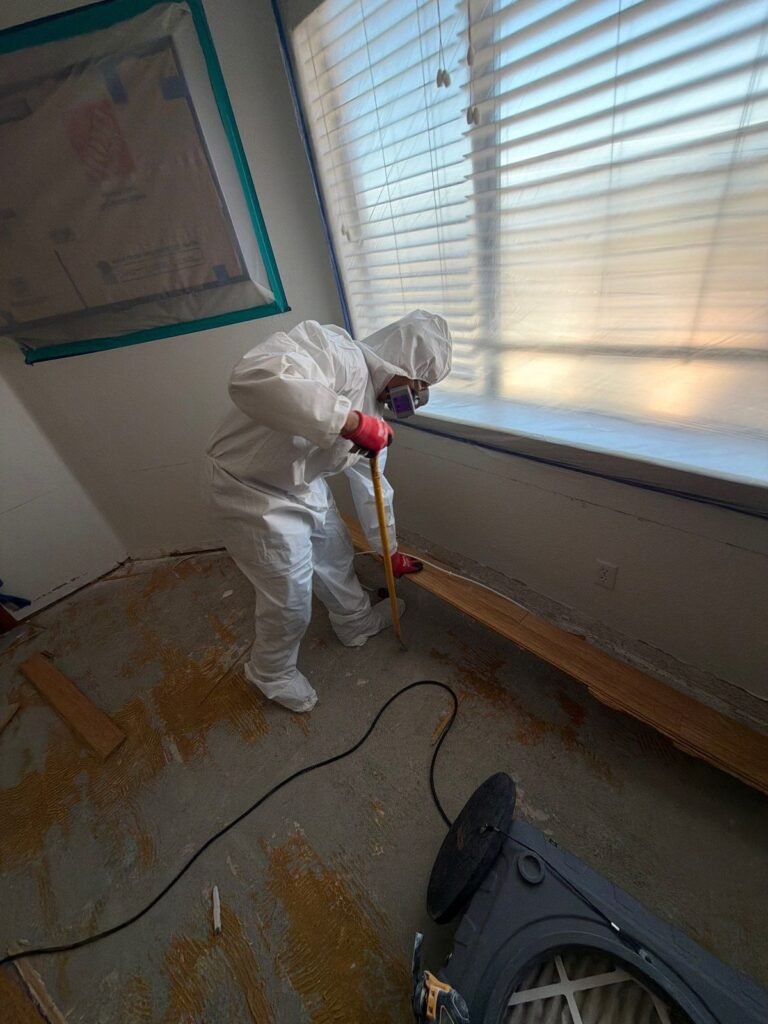
Alameda Is an Island: the Water Rises Below
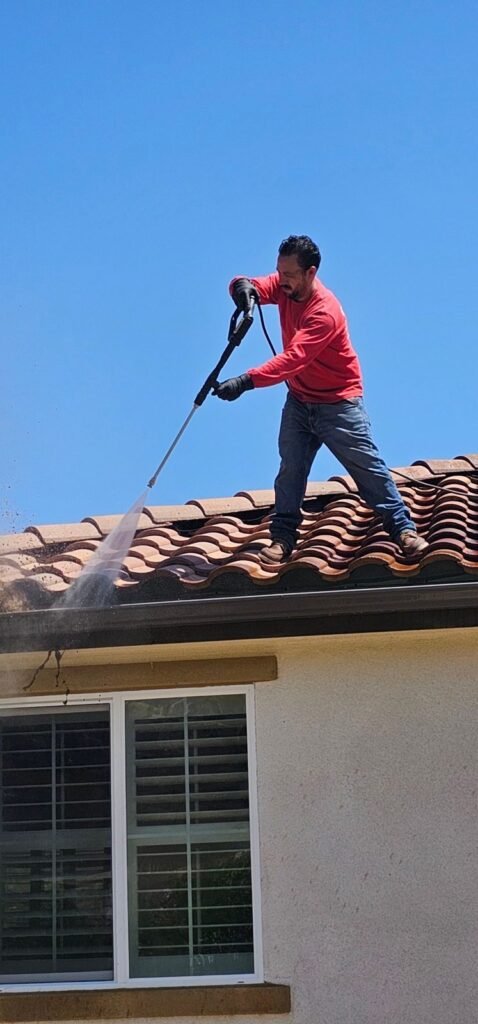
Which East Bay Cities Actually Flood, and Which Do Not
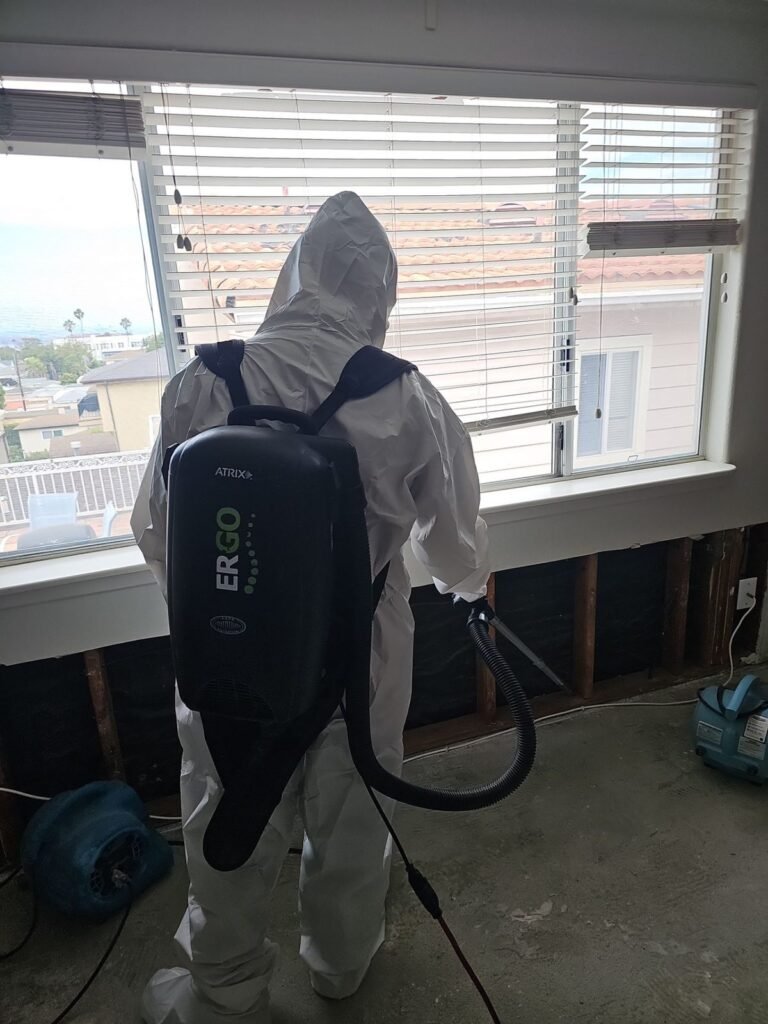
The Soft-Story Ordinance, East Bay Ground Floor
A folder with a laboratory page in it beats a blank somebody filled in from memory. (341) 220-0032.
Sewage, storm damage, mold, fire and smoke, water, and the reconstruction that follows them, for Oakland and the twenty-four East Bay cities around it. Any hour, any day. Se habla español.